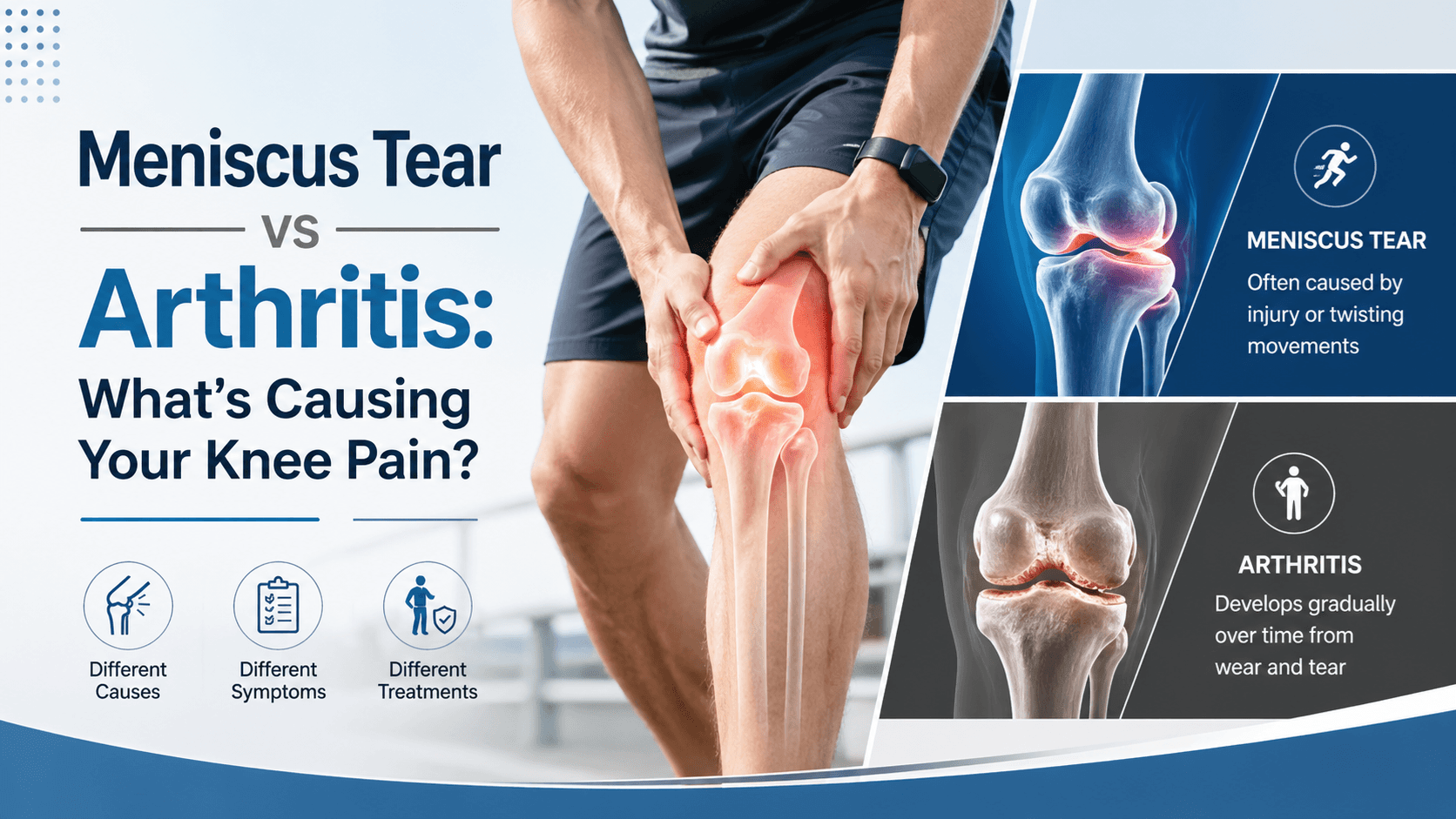
Meniscus Tear vs Arthritis: What’s Causing Your Knee Pain?
Meniscus tears and arthritis both cause knee pain but differ in origin and treatment. Learn how to tell them apart and find relief.

Meniscus tears and arthritis both cause knee pain but differ in origin and treatment. Learn how to tell them apart and find relief.
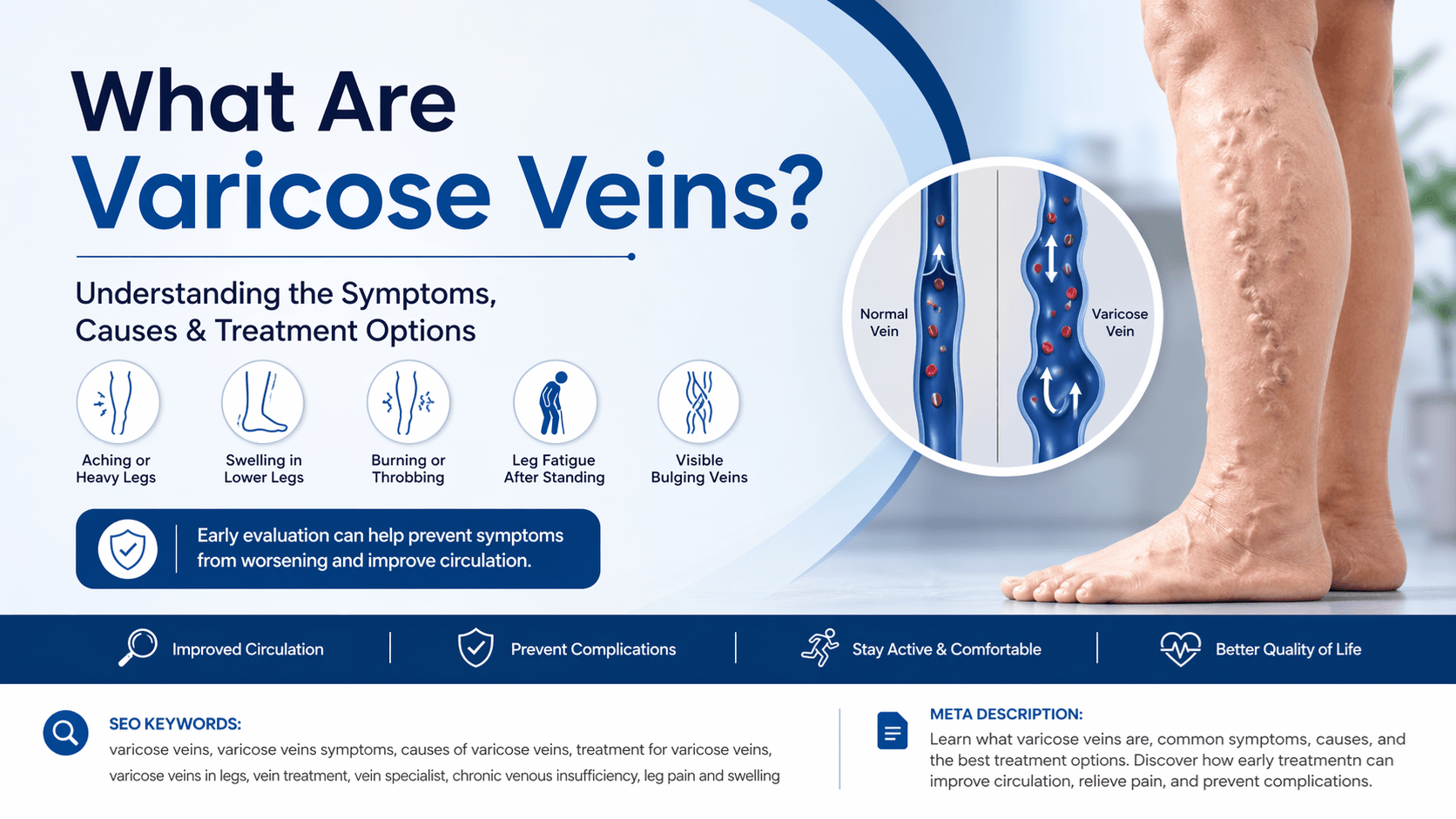
Noticing bulging or twisted veins in your legs? You may be dealing with varicose veins — a common condition caused by weakened or damaged vein valves, leading to poor blood flow and pooling of blood in the veins. Common Symptoms Varicose veins can present with a range of symptoms, including: •
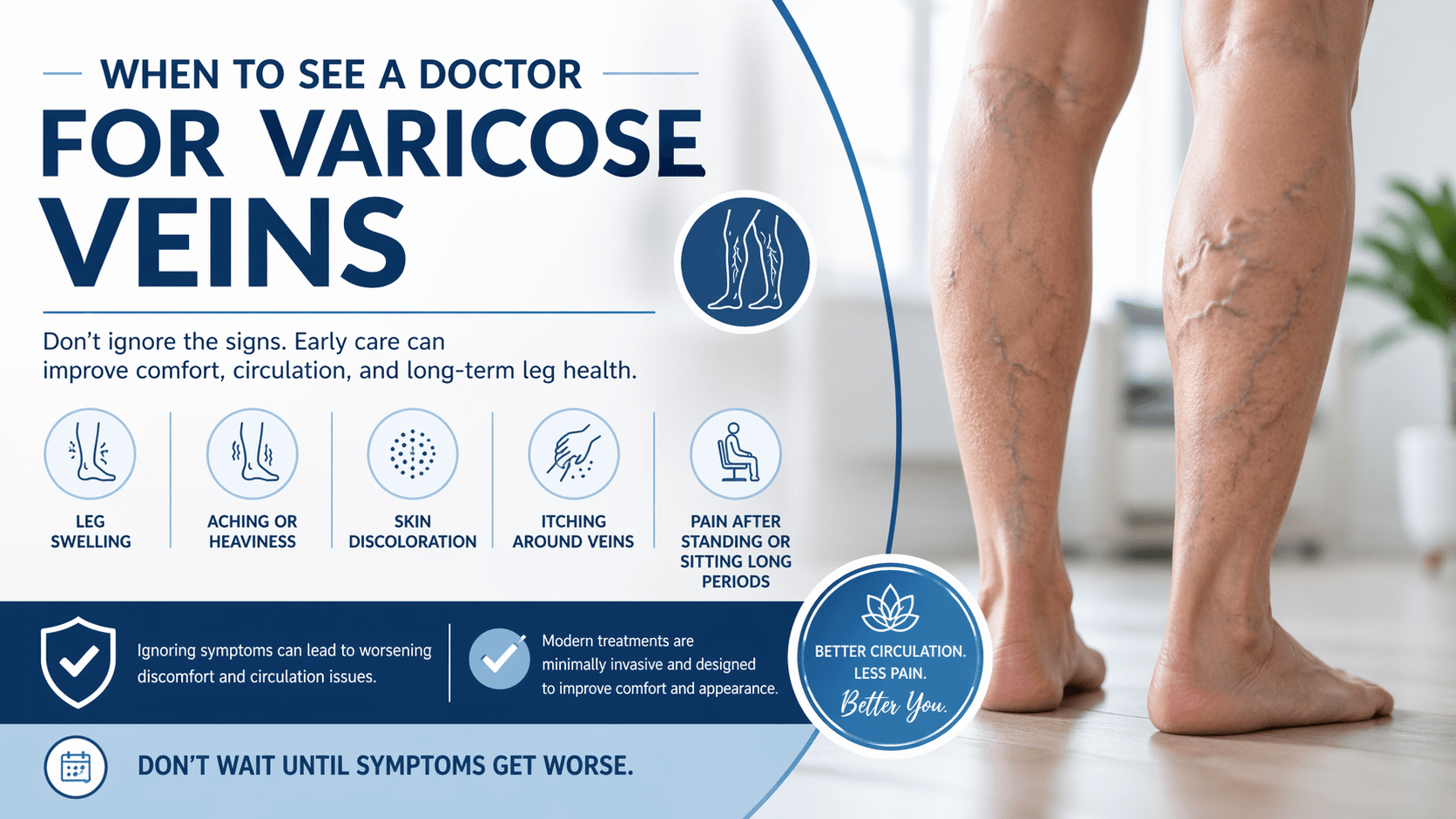
Varicose veins are more than a cosmetic concern — they can signal underlying circulation issues that may worsen over time if left untreated. You should consider evaluation if you experience: • Leg swelling • Aching or heaviness • Skin discoloration • Itching around veins • Pain after standing or sitting for long periods These symptoms
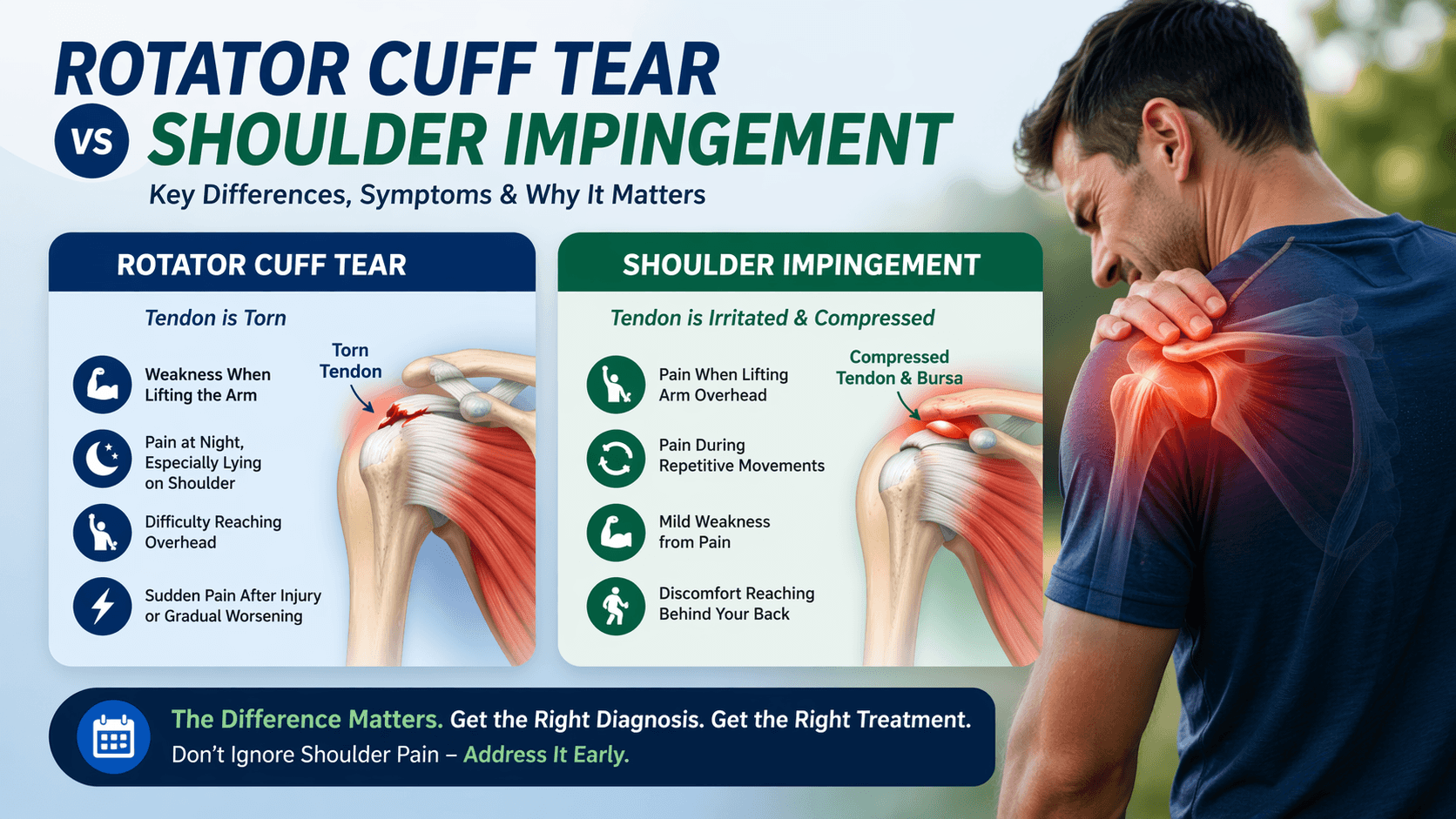
Shoulder pain can interfere with simple daily activities like reaching overhead, getting dressed, or even sleeping comfortably. Two of the most common causes are rotator cuff tears and shoulder impingement. While these conditions share similar symptoms, understanding the difference is essential for proper treatment. Rotator Cuff Tear A rotator cuff tear occurs when one or
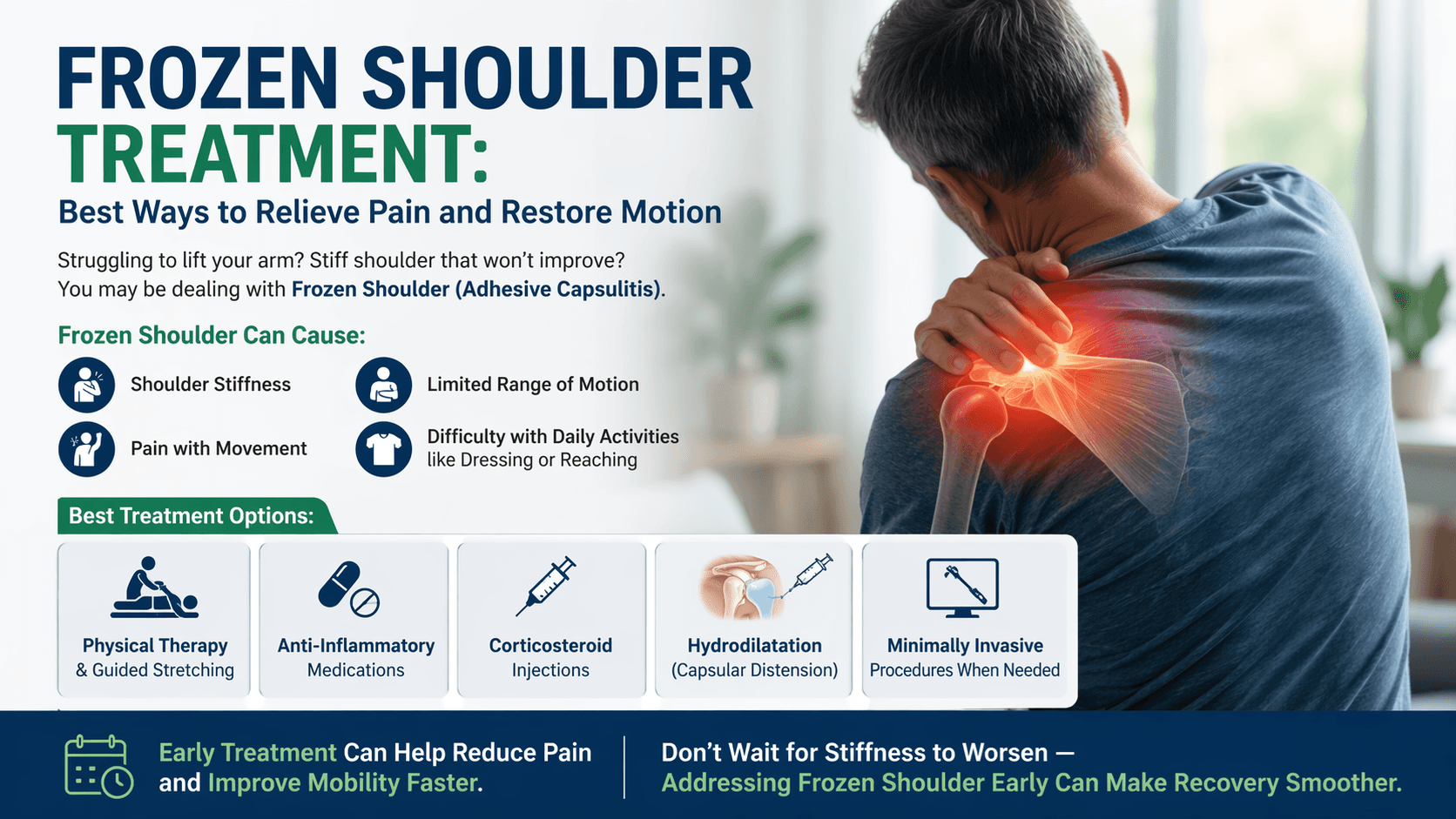
Struggling to lift your arm? Noticing a stiff shoulder that just won’t improve? You may be dealing with frozen shoulder (adhesive capsulitis) — a condition that develops gradually and can significantly limit your daily activities. What is Frozen Shoulder? Frozen shoulder occurs when the connective tissue surrounding the shoulder joint becomes thickened and

What Is SI Joint Pain? The sacroiliac (SI) joint connects the spine to the pelvis and plays a critical role in absorbing impact while running. With every stride, this joint helps transfer force between the upper and lower body. When the SI joint becomes irritated or inflamed, it can lead to pain that affects both
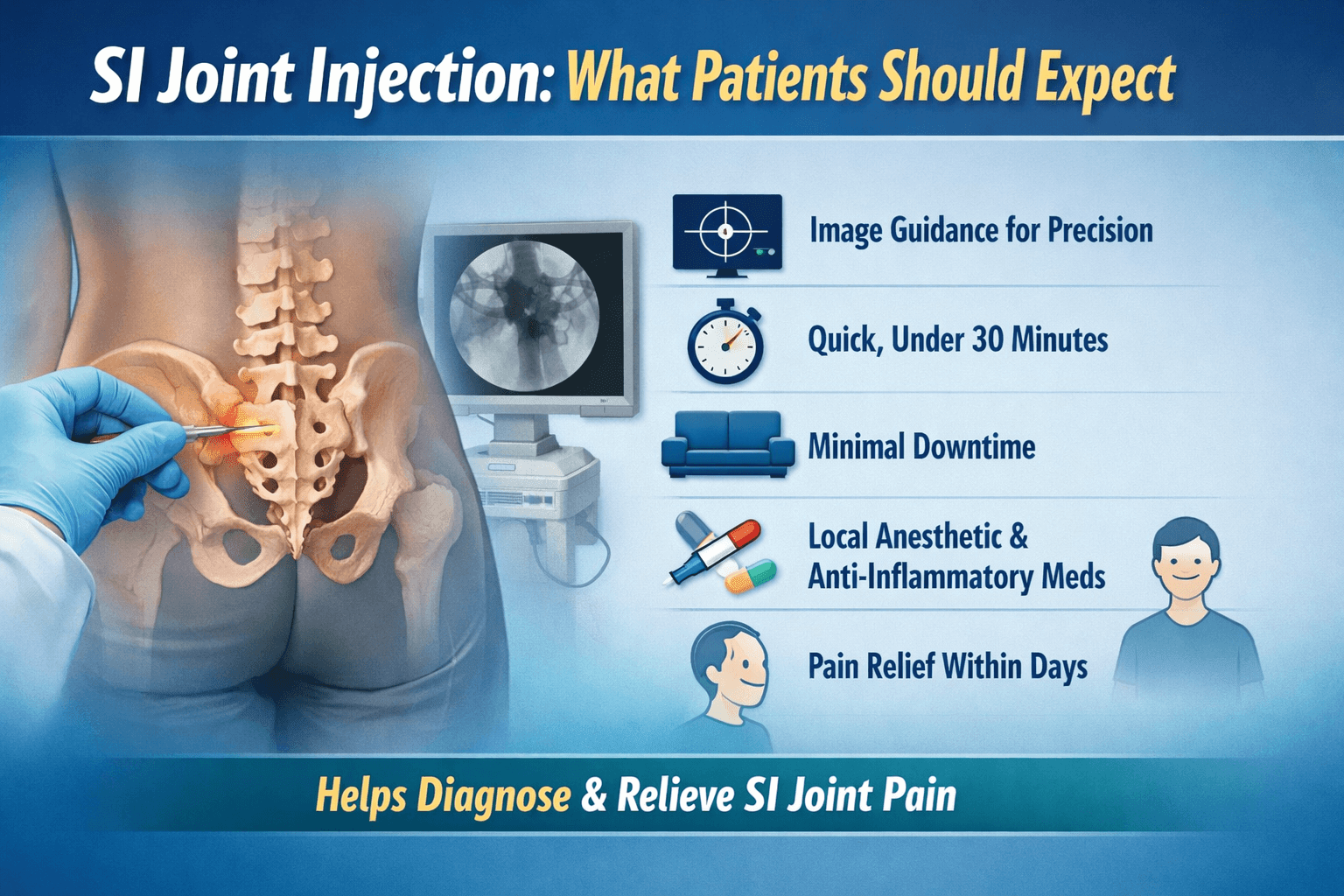
Sacroiliac (SI) joint pain is a common cause of lower back, buttock, and hip discomfort. When inflammation or dysfunction develops in the SI joint, even simple daily activities like standing, walking, or climbing stairs can become painful. An SI joint injection is a minimally invasive procedure designed to both diagnose and treat pain originating from
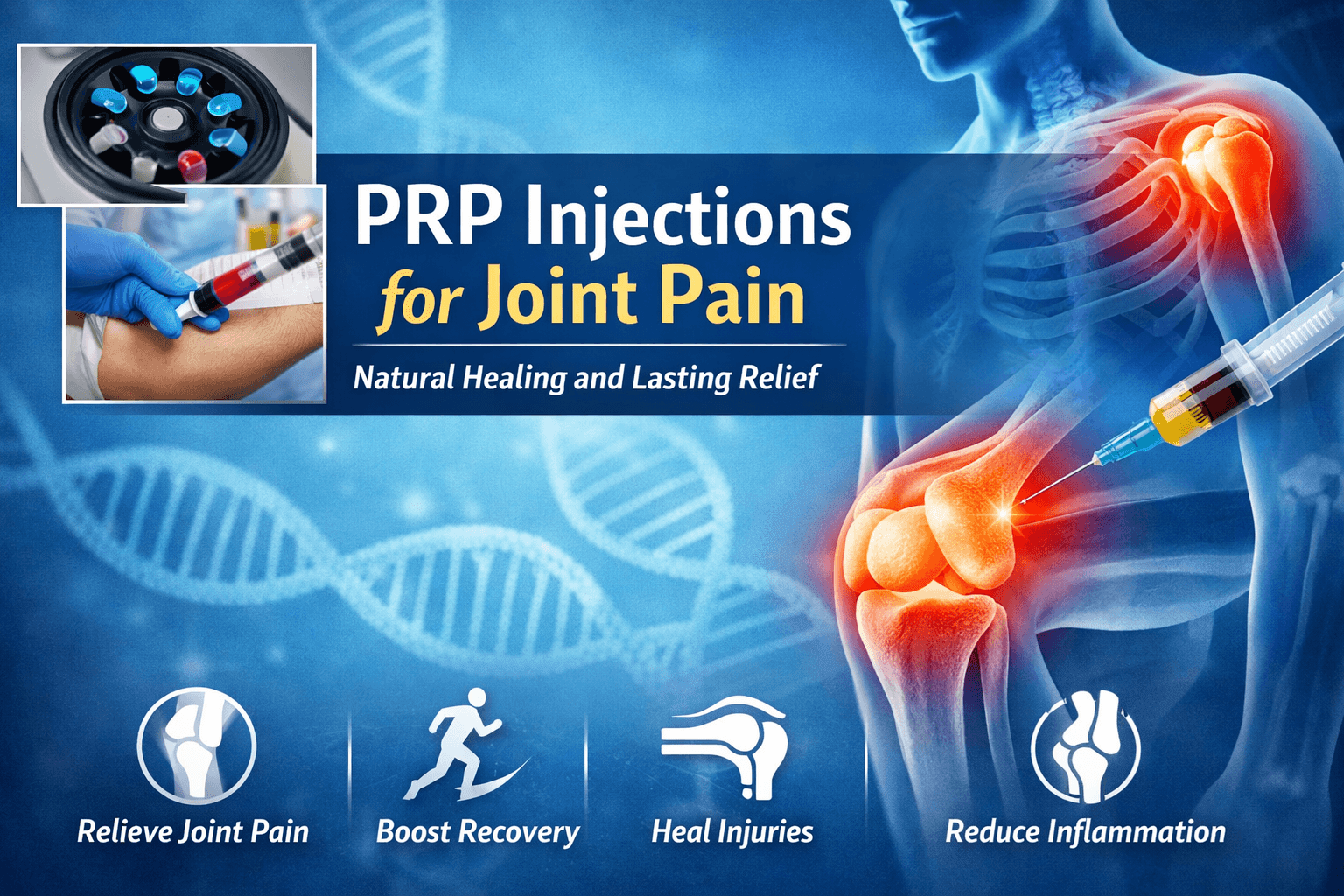
Joint pain can significantly impact your quality of life—whether it’s limiting your ability to exercise, work, or perform everyday activities. For patients looking for a minimally invasive, natural treatment option, Platelet-Rich Plasma (PRP) injections are gaining popularity as an effective solution. What Are PRP Injections? PRP (Platelet-Rich Plasma) therapy uses your body’s own
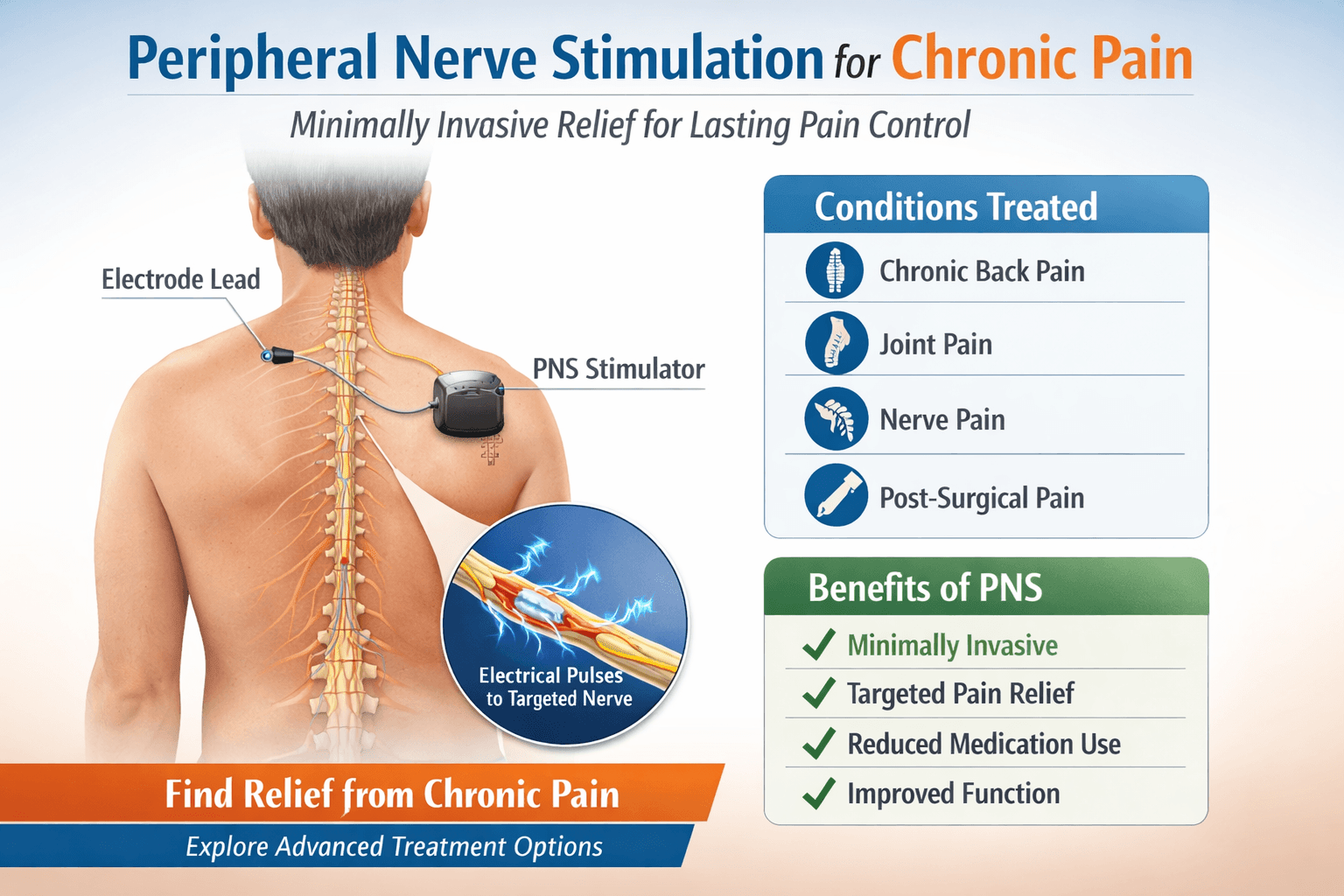
Chronic pain can interfere with every part of daily life — from work and exercise to sleep and overall well-being. For patients who have not found adequate relief with medications, injections, or physical therapy alone, Peripheral Nerve Stimulation (PNS) offers an innovative, minimally invasive treatment option designed to target pain at its source. What Is
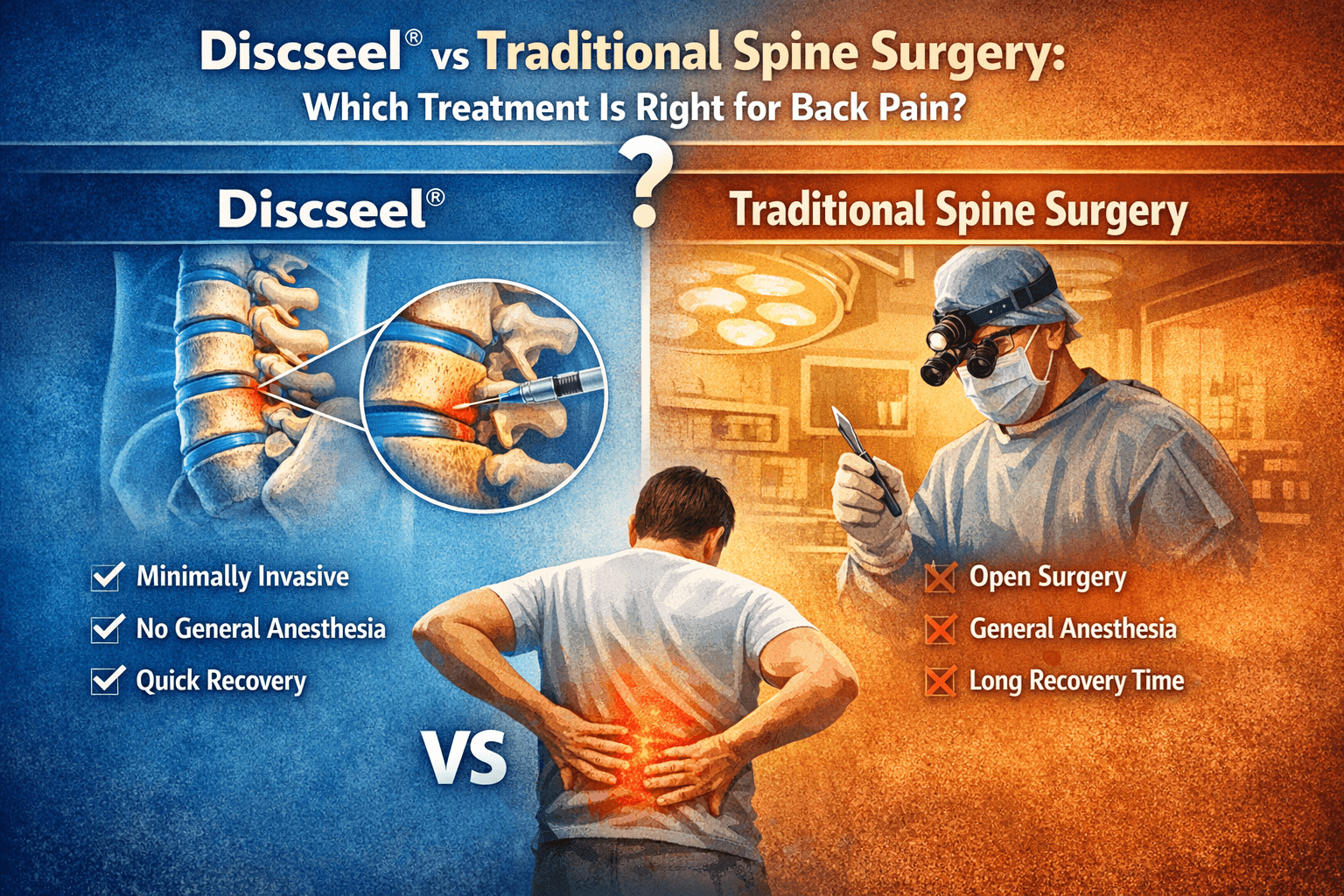
Back pain is one of the most common reasons patients seek medical care, yet choosing the right treatment can feel overwhelming. Many patients are told surgery is their only option—but that isn’t always the case. For certain types of disc-related pain, Discseel® offers a minimally invasive alternative to traditional spine surgery. Understanding the differences
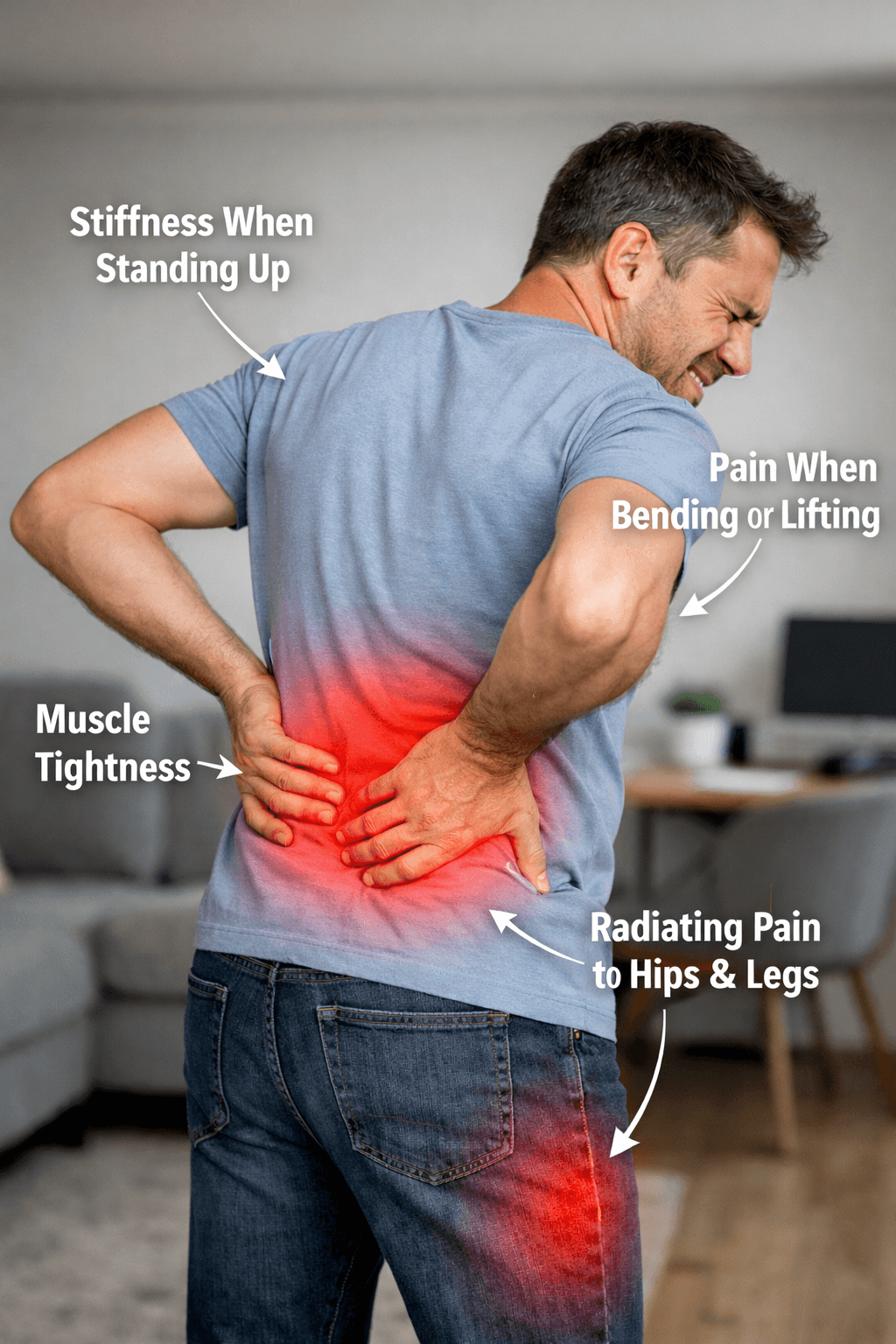
Most back pain heals with conservative care, but some cases need an MRI. Learn the signs and symptoms that call for advanced imaging.
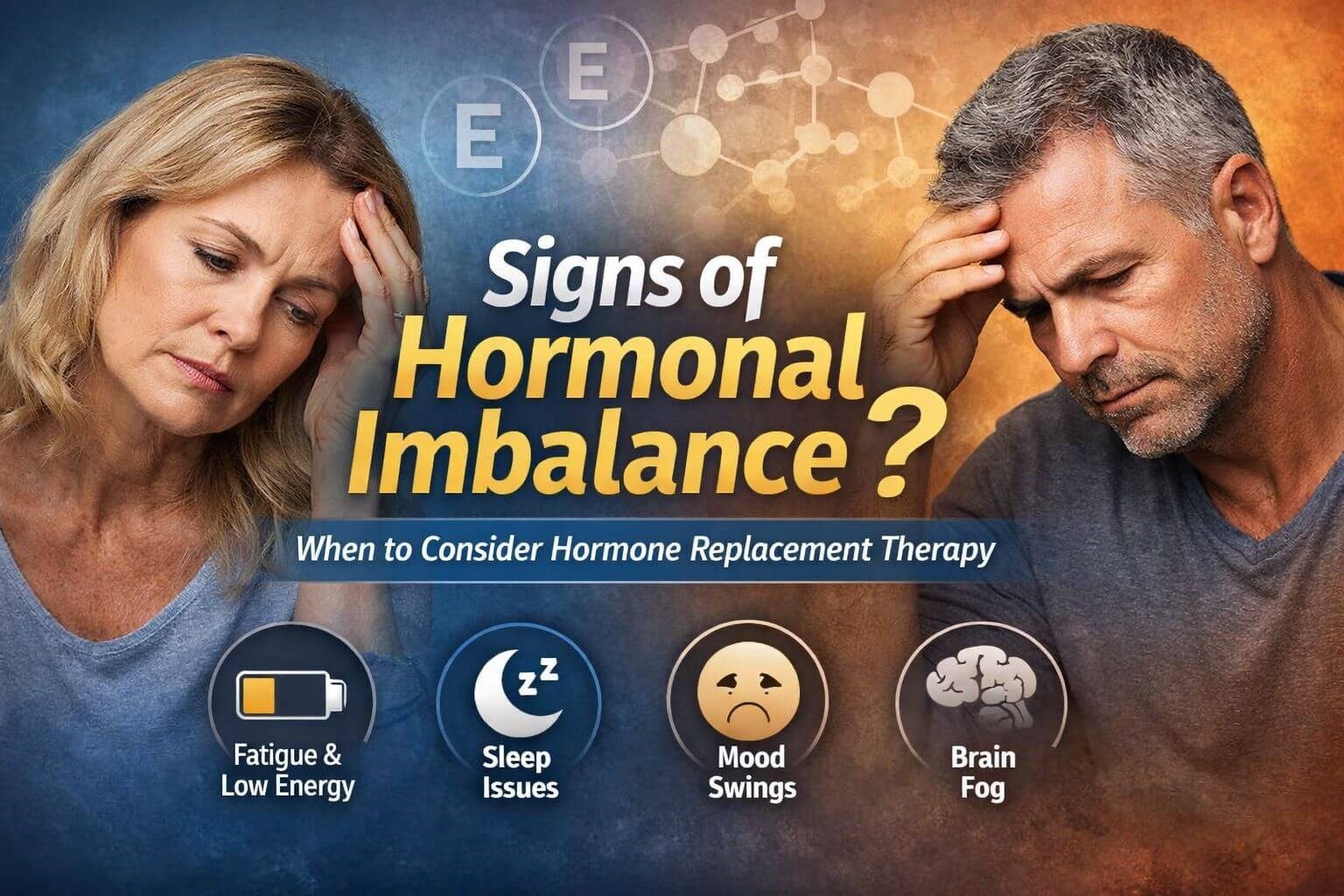
Fatigue, mood swings, and brain fog can signal hormonal imbalance. Learn the signs and when hormone replacement therapy may help.