
What Is Recovery Like After DISCSEEL®?
Learn what DISCSEEL® recovery may involve, when improvement may occur, and how to plan for the procedure with Dr. Nuti in McKinney and Frisco, TX.

Learn what DISCSEEL® recovery may involve, when improvement may occur, and how to plan for the procedure with Dr. Nuti in McKinney and Frisco, TX.
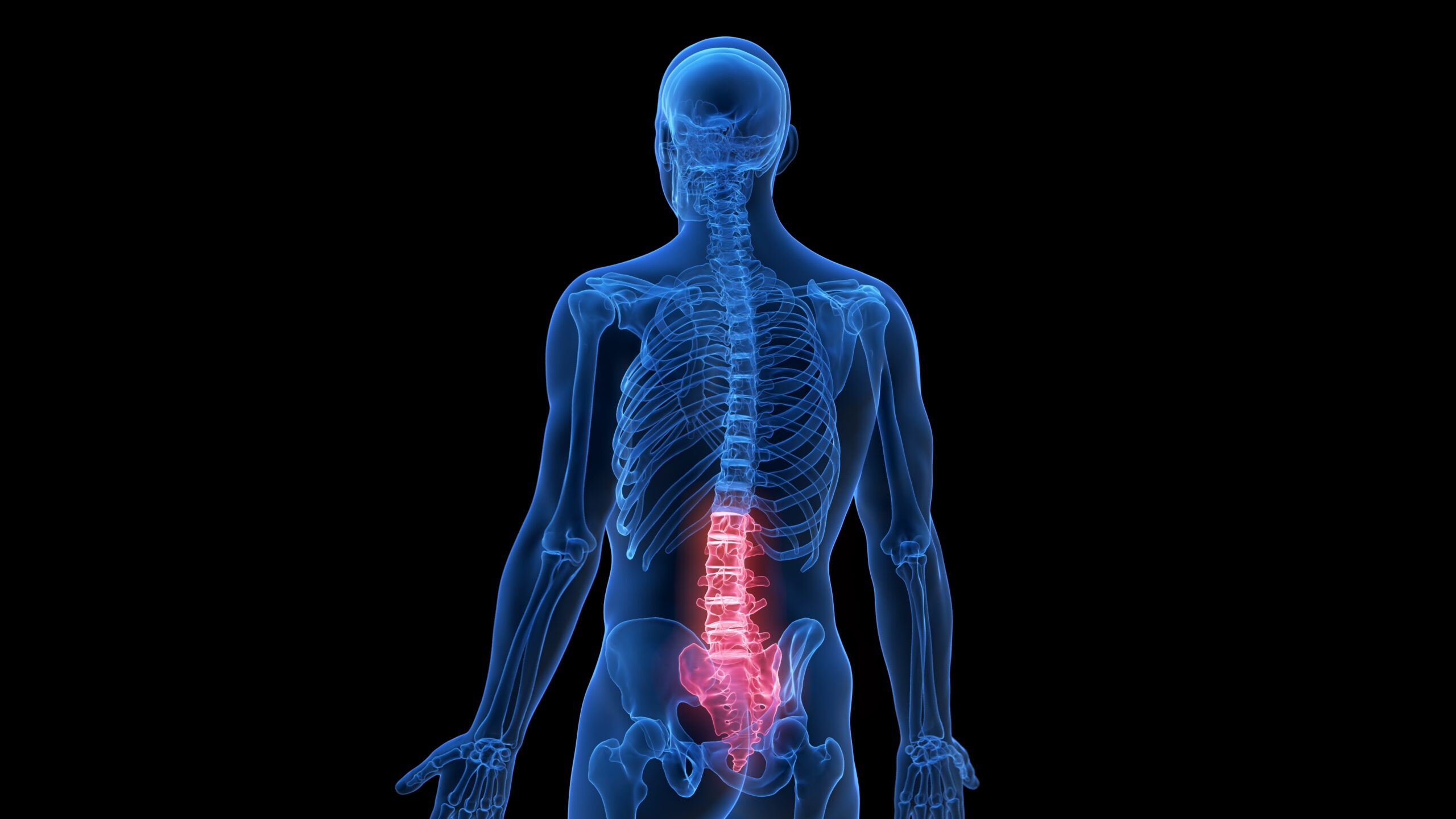
Lumbar spinal stenosis can cause lower back pain, leg pain, numbness, tingling, or weakness. For some people, symptoms become worse when standing or walking and improve when sitting or leaning forward. This pattern, known as neurogenic claudication, can occur when narrowing in the lower spine reduces the space available for the nerves. Depending on the
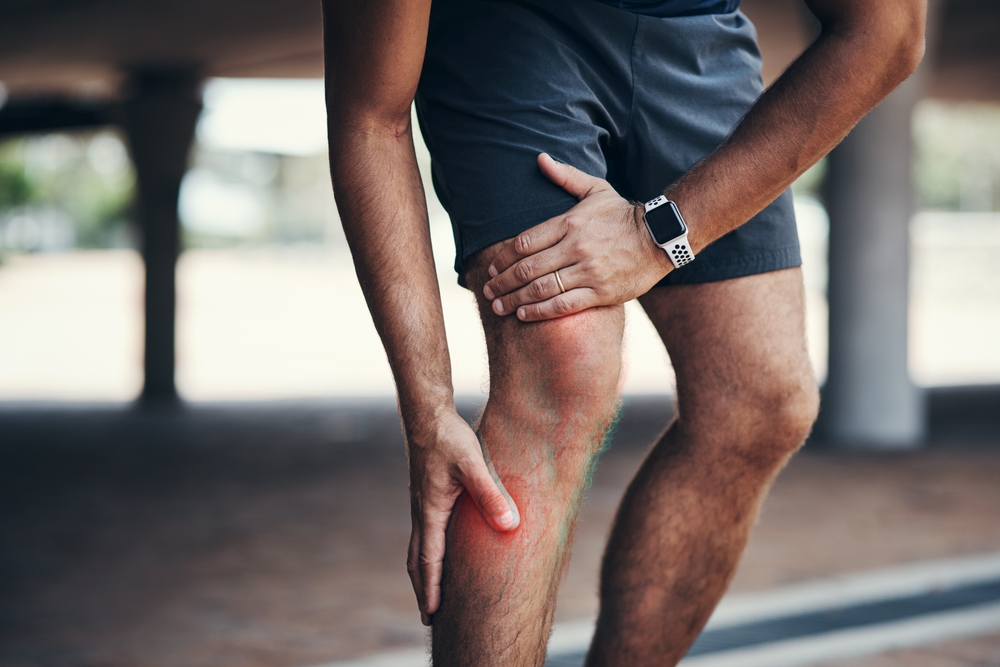
Lumbar Spinal Stenosis: Why Walking and Standing Cause Leg Pain Walking or standing can become difficult when lumbar spinal stenosis causes pain, numbness, tingling, heaviness, or weakness in the legs. Some people notice that their symptoms worsen the longer they stand or walk but improve when they sit down or lean forward. This characteristic pattern
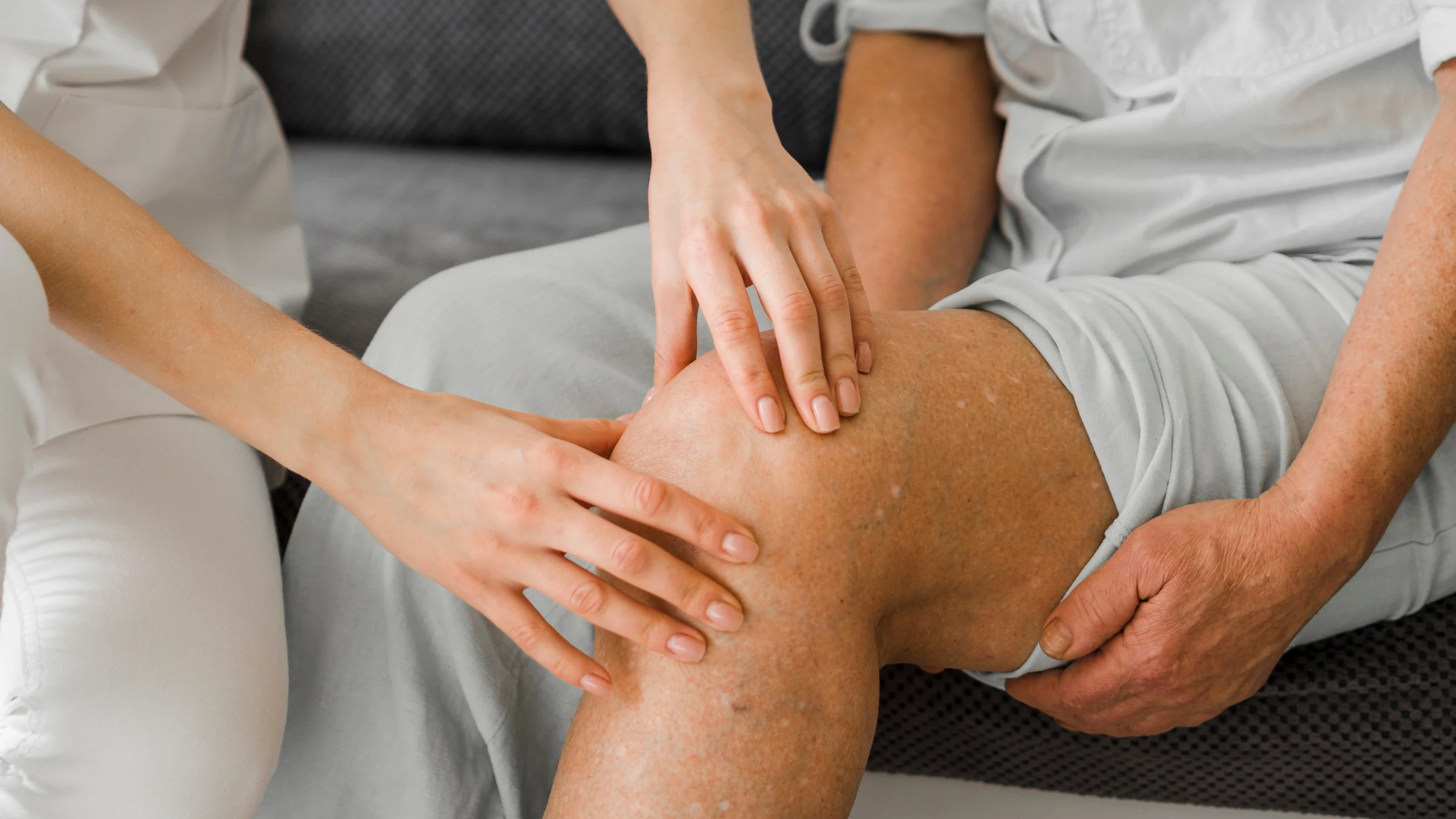
Struggling with lower back stiffness or shooting pain? Learn how Dr. Rathna Nuti at DFW Sports Medicine diagnoses and treats sacroiliac (SI) joint pain.

Learn when DISCSEEL® may be right for chronic disc-related back pain, who may qualify, why patients choose it, and how to prepare in McKinney and Frisco.
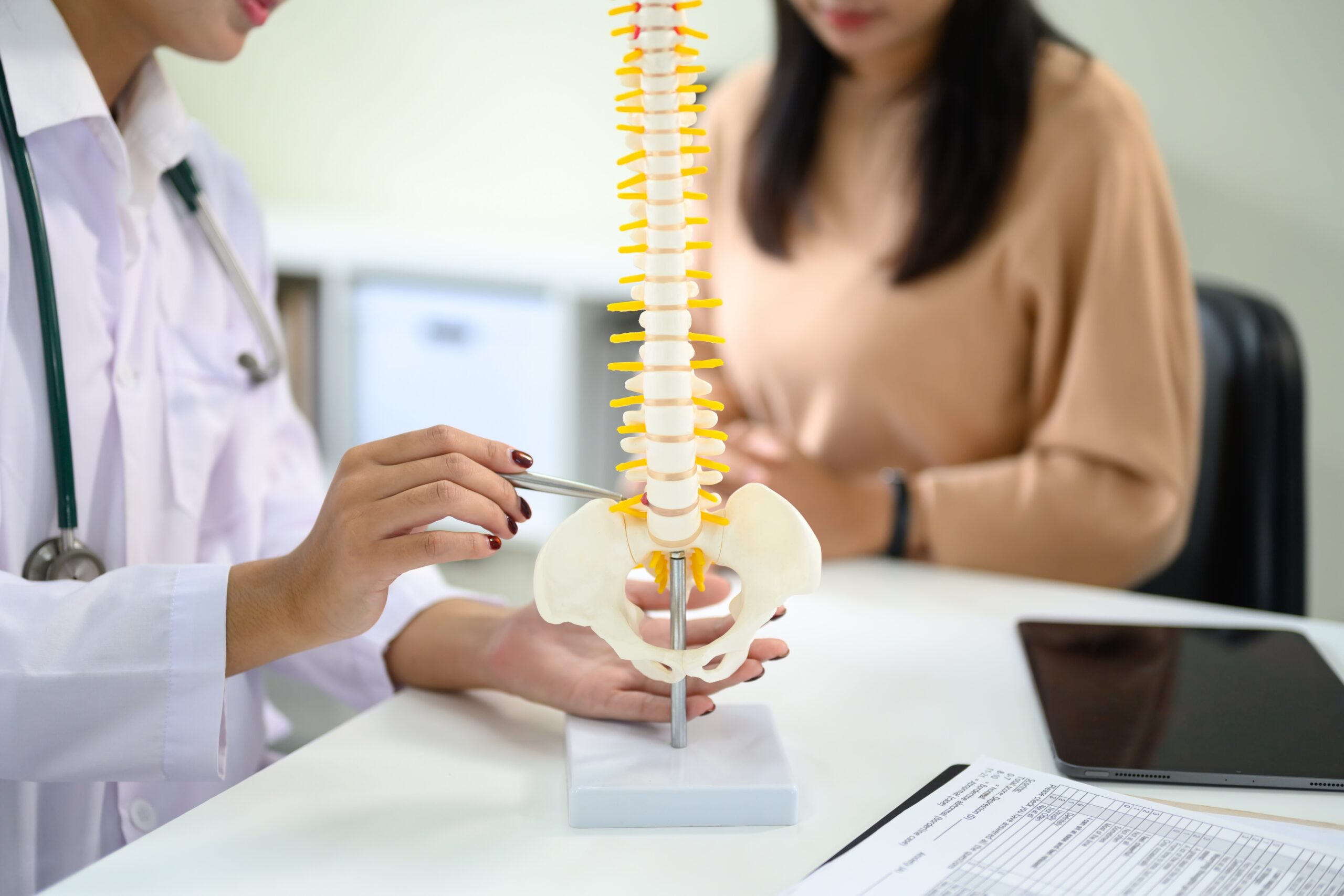
If you have chronic low back pain, your doctor may recommend an MRI to look more closely at your spine. When you receive the MRI report, you may see a term you have never heard before: Modic changes. Modic changes describe certain findings in the bone marrow near the vertebral endplates. They are commonly seen on
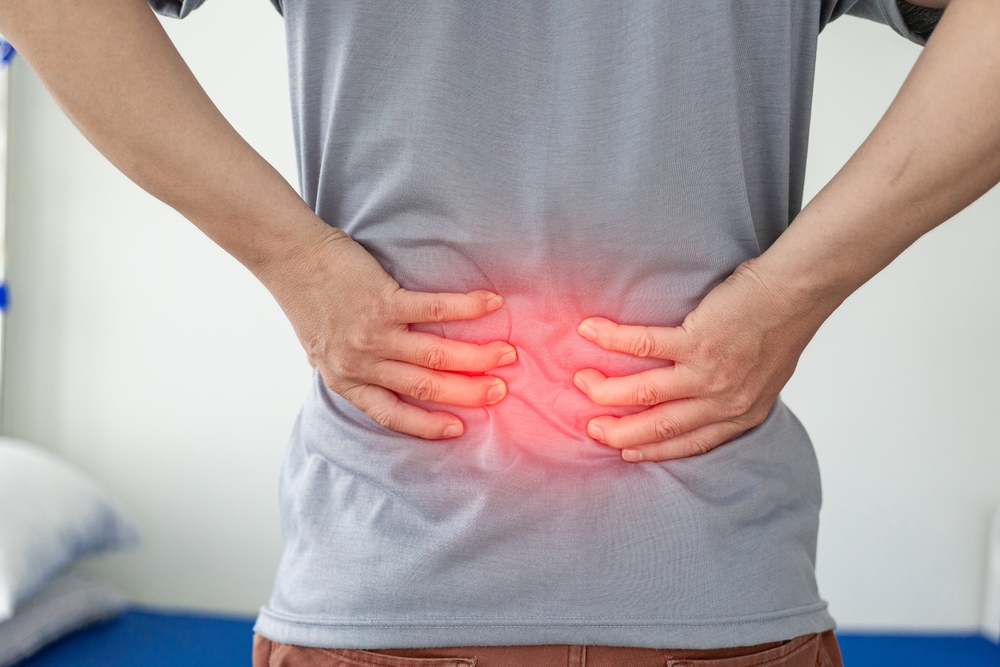
Chronic low back pain can come from several different structures in the spine. In some patients, the source of pain may be the vertebral endplates—the areas where the spinal bones and discs meet. This condition is known as vertebrogenic low back pain. The Intracept® Procedure, also known as basivertebral nerve ablation, is a minimally invasive

Learn how DISCSEEL® may address disc-related low back pain, how treatment is planned, and what recovery may involve with Dr. Nuti in McKinney and Frisco, TX.
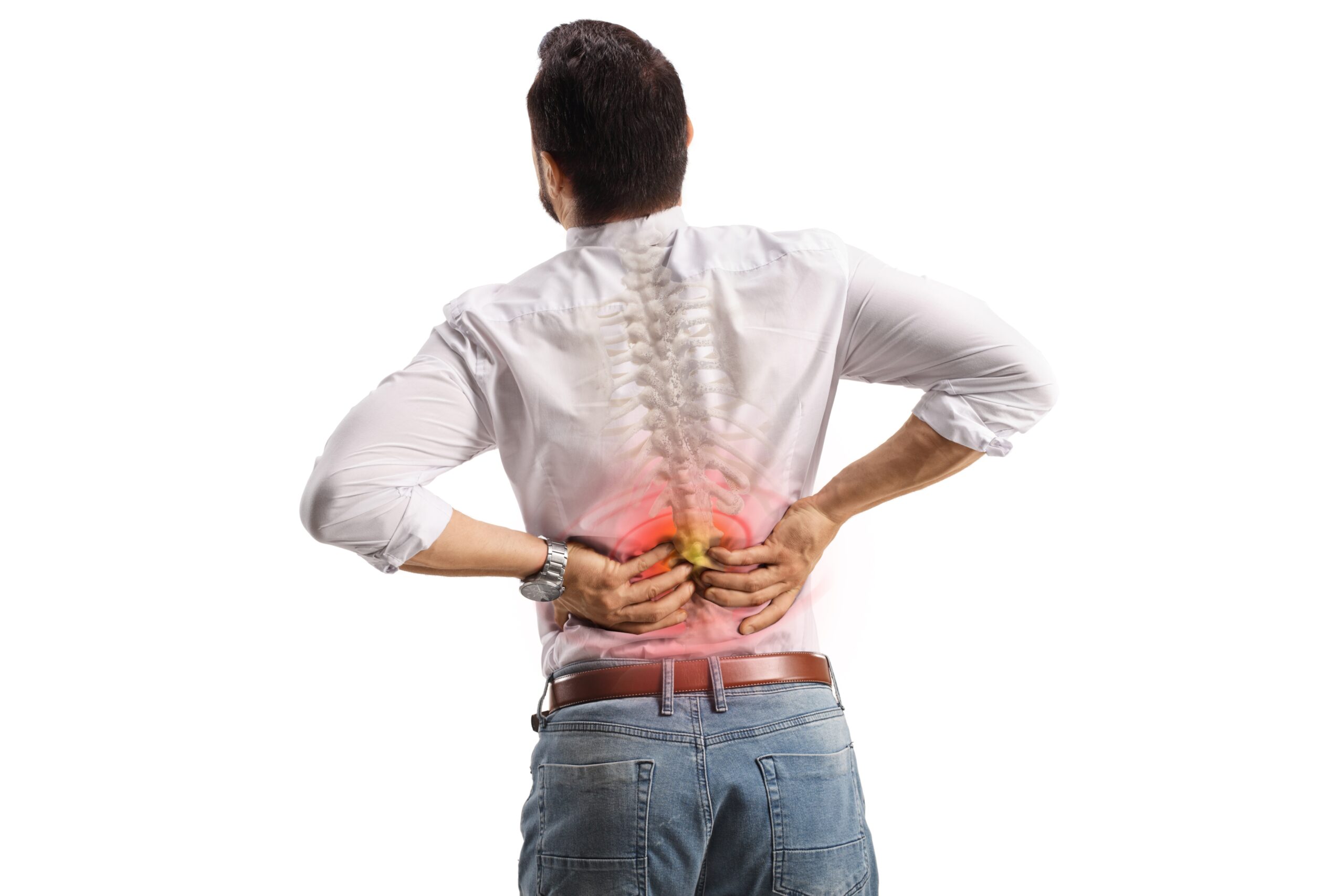
Chronic low back pain can have many possible causes. For some people, the pain begins in the vertebral endplates—the areas where the spinal bones and discs meet. This condition is known as vertebrogenic low back pain. The Intracept® Procedure is a minimally invasive treatment designed specifically for appropriately selected patients with vertebrogenic pain. It targets
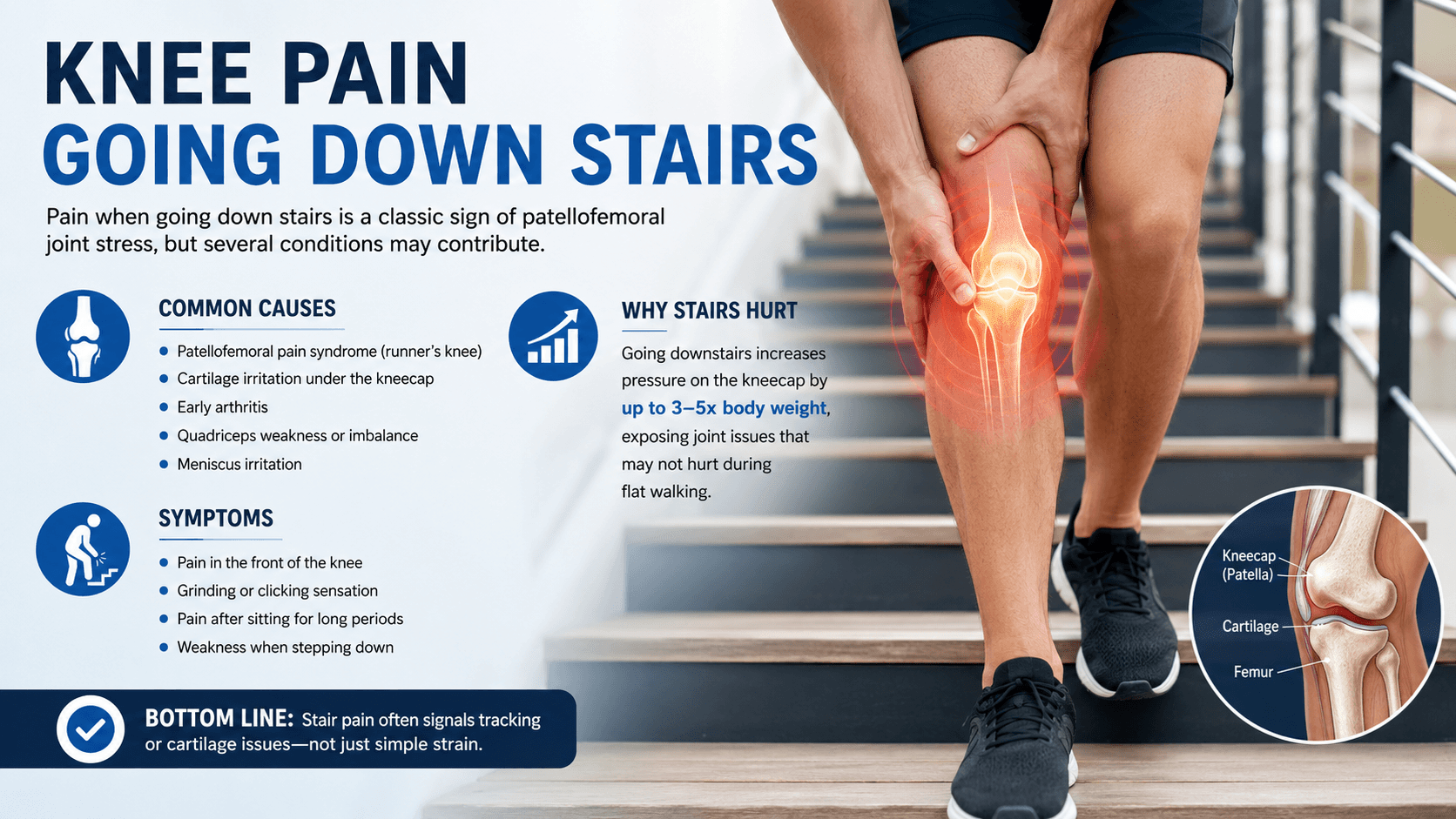
Pain when going down stairs is a common complaint and often points to increased stress on the patellofemoral joint (the kneecap and groove it slides in). While many people notice pain only on stairs, the underlying issue may involve cartilage irritation, muscle imbalance, or early joint degeneration. Common Causes of Stair-Related Knee Pain Several knee
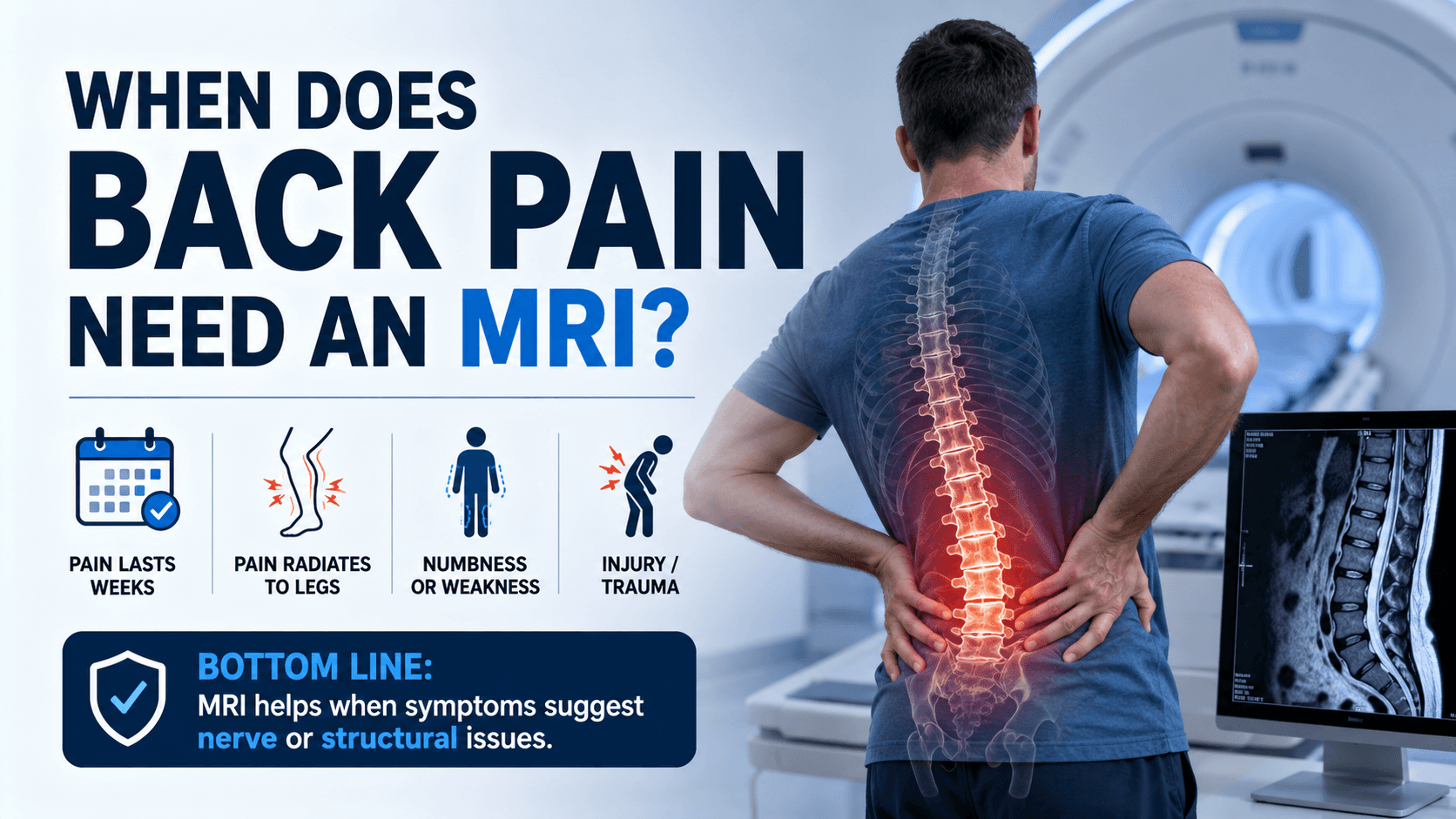
Not all back pain needs an MRI. Learn the warning signs, like radiating pain, numbness, or weakness, that mean imaging may be necessary.
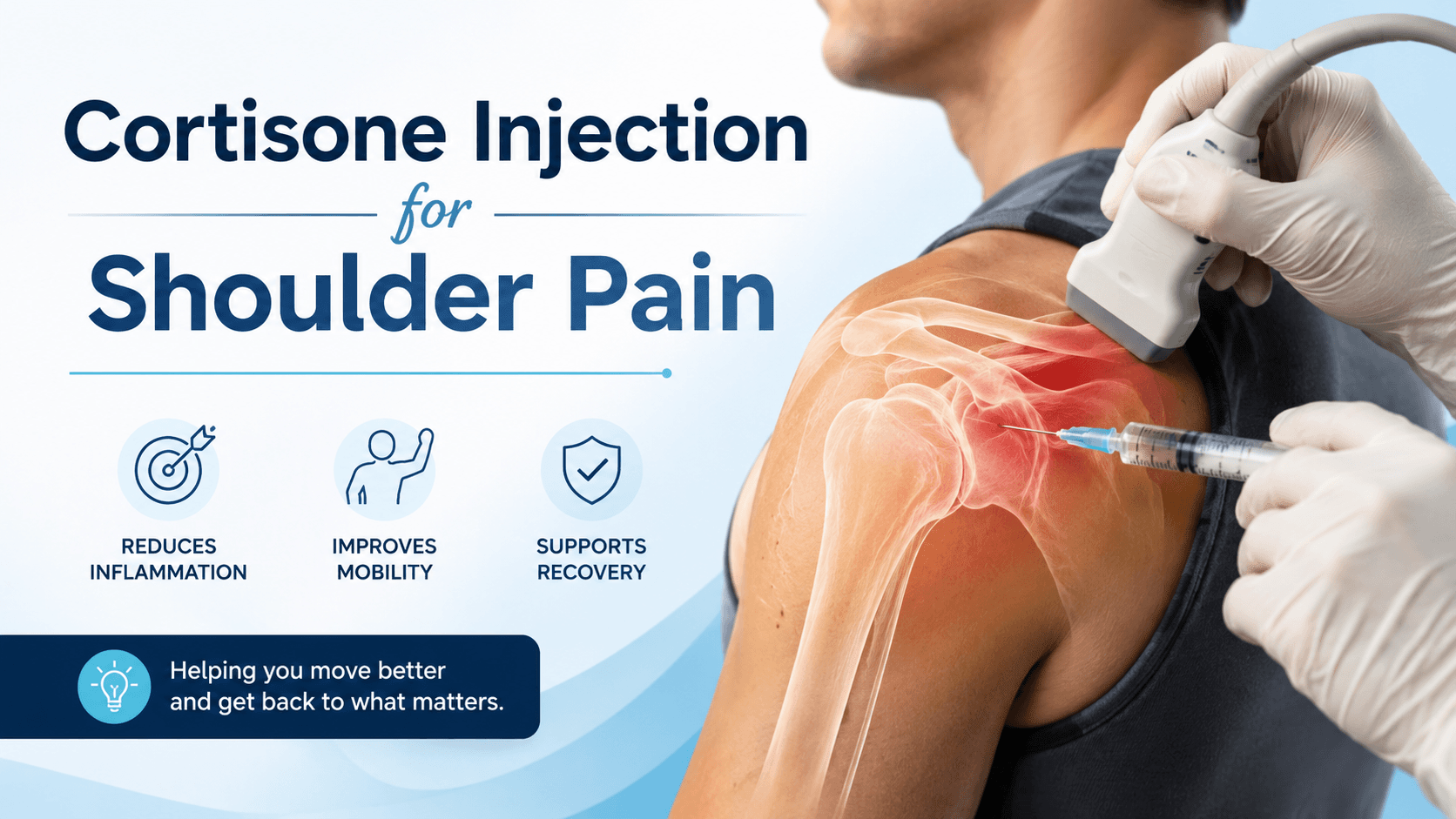
Shoulder pain can make simple activities like lifting your arm, reaching overhead, or sleeping comfortably difficult. One common cause is inflammation within the shoulder joint or surrounding tendons and bursae. When rest, medications, and physical therapy are not providing enough relief, a cortisone injection may help reduce pain and improve function. What Is a